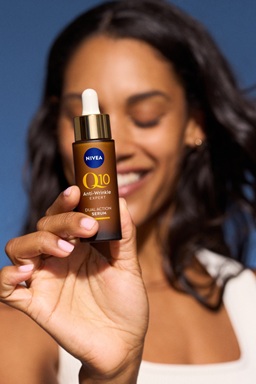
How to Build a Skincare Routine:
ORDERING AND LAYERING

matter
A skincare routine is more than just a series of steps, it's a dedicated practice that nurtures your skin and promotes its overall health and radiance. Skin care routines involve a careful selection of products and a specific order of application, working to address your skin's unique needs.
A well-crafted skincare routine not only helps maintain the skin's natural balance but also offers a moment of self-care. Whether you're aiming for clearer skin, a more youthful appearance or simply a chance to pamper yourself, a consistent skincare routine is key to achieving healthier looking skin.
In this comprehensive guide, NIVEA explores everything you need to know about how to order and layer your skincare products to achieve healthier skin.
What is a
SKIN CARE ROUTINE?
A skincare routine refers to a structured sequence of steps and products aimed at maintaining and improving the health, appearance, and overall condition of the skin. It involves steps performed daily or regularly to cleanse, treat and protect the skin from various environmental factors and potential skin conditions.
Typical skincare routine steps include cleansing to remove impurities, applying targeted treatments like serums for specific concerns, moisturising to nourish and adding sun protection to shield against harmful UV rays.
The specific products and steps can vary based on individual skin types, concerns and goals. A well-designed skincare routine not only promotes healthier looking skin but also encourages a sense of self-care and well-being.
5 Benefits of a
CONSISTENT SKINCARE ROUTINE
- Maintaining skin health:Your skin is the largest organ in your body and serves as a protective barrier against the environment. An effective skin care routine helps maintain the integrity of this barrier, protecting your skin from pollutants, toxins, and harmful UV rays.
- Preventing skin conditions:Regular skin care can help prevent various skin conditions such as acne, dryness, oiliness, redness, and more. Using the right products and techniques can keep your skin balanced and minimise the risk of developing these issues.
- Anti-aging:A consistent skin care routine can help slow down the signs of ageing. Certain products, like moisturisers and serums, can help reduce the appearance of fine lines, wrinkles, and age spots, making your skin look more youthful over time.
- Boosting confidence:Taking care of your skin can improve your self-esteem and confidence. When your skin looks and feels healthier, you're more likely to feel good about your appearance.
- Long-term benefits:Consistency is key in skin care. The benefits of a good skin care routine become more evident over time. While you might not see immediate results, sticking to a routine can lead to significant improvements in the long run.
Skincare routine
ORDERING AND LAYERING
When layering products it is important to start with lightweight products like cleansers, toners and serums then progress to heavier products like moisturisers to ensure each product can penetrate the skin effectively and provide the intended benefits.

Not everyone needs a complicated 10 step routine, as skincare needs can vary based on individual skin types and concerns. A basic 3 step skincare routine consisting of cleansing, moisturising and sun protection can be sufficient for some people.
Having a longer skincare routine offers more targeted and advanced solutions, addressing specific concerns such as ageing, acne or hyperpigmentation with the use of additional products including serums, exfoliants and masks.
The choice between having a basic, intermediate or advanced routine depends on individual goals and preferences, with some opting for simplicity and others prioritising a more comprehensive approach to skincare.
Building a 24 hour face skincare routine:
STEPS TO INCLUDE

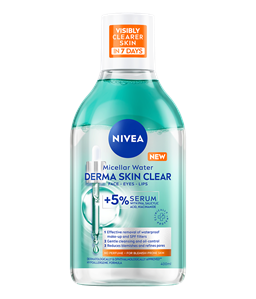
Step 1: Cleanse
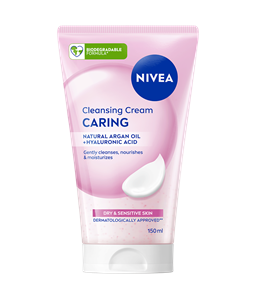
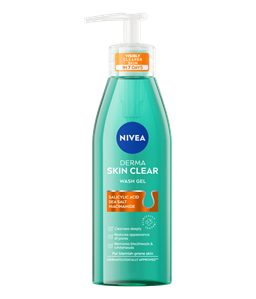
Start your morning skincare routine with a thorough cleanse to remove dirt and impurities, preparing your skin to absorb the nourishing ingredients in your care routine.
Benefits may include: Awakens and refreshes skin, controls excess oil, manages pH, helps skin absorb care products, maintains pore size.
Can I skip cleansing?: Cleansing is essential in any skincare routine, so it should not be skipped. Having thoroughly cleansed skin is the foundation on which you will apply your care products.
Tips: Use a cleanser that suits your skin type, apply gently and avoid scrubbing, use lukewarm water, avoid harsh ingredients such as alcohol, pat your face dry instead of rubbing.
Step 2: Tone
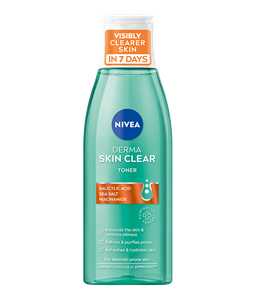
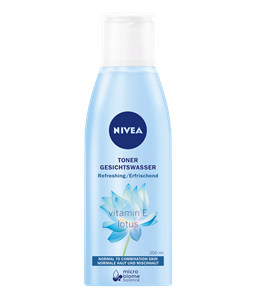
Toning finishes the morning cleansing process by removing final traces of dirt or residue and helping to balance the skin's pH levels.
Benefits may include: Balances pH levels, removes leftover residues, adds hydration, refines pores and improves complexion, boosts radiance, helps control skin conditions.
Can I skip toning?: Toning is generally beneficial for skin and boosting radiance, however in some situations it is fine to skip. These include: following a minimalist routine, negative skin reactions or if you are using a 2-in-1 cleanser and toner product for step 1.
Tips: Use a toner that suits your skin type and targets any specific concerns, apply by gently patting on with your fingertips or soft cotton pad, avoid toners containing alcohol, avoid overuse (generally more than twice a day).
Step 3: Serum:
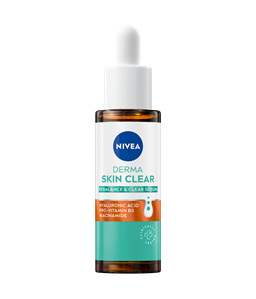
Serums are lightweight, fast-absorbing and deep penetrating products that offer high concentrations of active ingredients, formulated to target specific skin concerns. They are the super-boost of any beauty routine.
Benefits may include: Faster results than creams alone, customisation to your routine, additional hydration, radiance, firmness or smoothness based upon their formulation.
Can I skip serum?: Skipping serum misses out on a big opportunity to power-up your skincare routine and target any specific concerns. Serum can quite often be the most effective product at achieving desired results. However if you have no concerns or are wanting to stick to a minimalist 3 step routine, you may consider leaving serum out.
Tips: Select a serum that targets your concern, understand what different ingredients do (e.g. Vitamin C for brightening, Hyaluronic Acid for hydrating), allow 1-2 minutes for full absorption, a little amount goes a long way.

Step 4: Eye cream
Eye creams are specifically formulated to nourish the delicate skin around the eyes, helping to target common concerns such as dark circles, puffiness and crows feet. These can also be used after moisturiser, provided you leave the under eye area clear for application.
Benefits may include: Targeted action on common concerns such as dark circles or eye bags, prevents signs of aging, improved texture and hydration, enhanced makeup application.
Can I skip eye cream?: Younger individuals with no specific under eye concerns or those looking to stick to a basic skincare routine may look to skip eye cream. Individuals with oily skin may also find that a regular moisturiser is enough to keep the area hydrated.
Tips: Choose an eye cream that targets your concerns, apply by gently tapping with your ring finger avoiding contact too close to the eyeball, start with less and add more if necessary, be patient for results.

Step 5: Moisturiser - Day cream
Day creams provide essential moisture and hydration throughout the day, helping to keep skin feeling supple and looking its best. They also help to provide daily protection against environmental stressors.
Benefits may include: Moisture, sun protection (if they contain SPF), free radical protection, skin barrier support, makeup base, additional targeted actions based on formulas (anti-age, glow boosting etc.).
Can I skip moisturising?: Moisturising is recommended to be included in even basic skincare routines, it is a cornerstone step and therefore inadvisable to skip. Only those with particularly oily skin may choose to skip and apply a light sunscreen instead, in their case it is still recommended to find a moisturiser formulated for their skin type that can help control excess oil to prevent breakouts.
Tips: Choose a day cream for your skin type and concerns, SPF provides additional protection, apply more generously than serum, allow it time to absorb (particularly if applying makeup), dot all over your face and neck before gently massaging into skin.
Step 6: SPF
SPF (Sun Protection Factor) is essential to keep skin shielded from harmful UV rays throughout the day that can cause damage. Sunlight is quite often the main cause of many skin concerns, including dark spots and premature ageing - so is essential for maintaining a radiant complexion.
Benefits may include: UVA/B protection, prevents sun induced-dark spots, prevents photoaging, maintains skin health, prevents sunburn.
Can I skip SPF?: SPF is essential to skin health, even in minimalist routines. It should be applied whenever skin is going to be exposed to sunlight to protect it from damage.
Tips: Aim for at least SPF 30 or higher, apply generously and regularly, check sunscreen expiration dates, avoid the sun during peak hours.
Step 1: Cleanse
Difference vs. morning: Whilst in the morning you are refreshing and awakening your skin, in the evening you are looking to remove any makeup, sunscreen, dirt or impurities accumulated throughout the day and prepare it for nighttime care products.
Benefits may include: Helps prevent breakouts, enhances care product absorption, promotes cell renewal, supports nighttime repair and regeneration.
Can I skip cleansing?: Similar to the AM routine, it is not recommended to skip cleansing in the evening unless you are following advice from a dermatologist.
Tips: It is popular to double cleanse in the evening, using an oil-based cleanser to remove makeup and sunscreen, followed by a water-based cleanser to clean the skin.

Step 2: Tone
Difference vs. morning: Toning in the evening follows a very similar purpose but instead wicks away any final traces of makeup or daily dirt. It can also help to further neutralise daily free radicals.
Benefits may include: Same as AM routine.
Can I skip toning: Same as AM routine.
Tips: Same as AM routine.
Step 3: Serum
Difference vs. morning: The purpose of serum is still very similar, however you could consider targeting different concerns in the evening than in the morning.
Benefits may include: Same as AM routine.
Can I skip serum?: Same as AM routine.
Tips: In the evening you may want to look for a serum that is specifically formulated for hydration and overnight repair, those containing Hyaluronic Acid are particularly good at this. Using the same serum in the morning and evening is perfectly fine, however switching them up can help to target different concerns.
Step 4: Spot treatments
Difference vs. morning: Whilst you could apply these treatments (such as Retinoids for anti-aging or acne treatment) in the morning, these products can sometimes make your skin more sensitive to sunlight, which is why they're usually recommended for nighttime use.
Benefits may include: Targeted action, works in conjunction with skins natural repair process, preventative care.
Can I skip spot treatments?: If you have no specific areas of concern or are following advice from a specialist, you may want to skip this stage.
Tips: Introduce treatments slowly, follow packaging directions, apply SPF the next day as some treatments can increase sensitivity.
Step 5: Eye cream:
Difference vs. morning: Eye cream serves a very similar purpose in the evening routine as it does the morning routine, so you can follow the same advice.
Step 6: Moisturiser - Night cream
Difference vs. morning: Whilst day cream provides support and protection for skin throughout the day, night cream provides overnight nourishment, supporting the natural regeneration and repair process. Night creams often have thicker formulas, focused on intense hydration and skin barrier restoration as opposed to protection.
Benefits may include: Support skins natural regeneration and repair process that occurs whilst you sleep, awake to refreshed skin, overnight moisture needs are met, higher concentration of active ingredients.
Can I skip night cream?: The same as moisturising in the morning, it is generally not recommended to skip in the evening. Skipping can lead to skin becoming dehydrated overnight, whilst you are also missing a chance to support its natural regeneration and repair process.
Tips: Look for a night cream that complements your day cream, combining them both for 24 hour care to keep skin healthy and nourished whilst targeting any specific skin concerns.


These can be worked into your weekly routine to provide targeted benefits for skin. Typically used 1-3 times a week, depending on the needs and goals of your face care routine, face masks come in different varieties including: sheet masks, clay masks, hydrating masks and exfoliating masks.
Benefits may include: The benefits are numerous and depend on the type of mask you are using, typically all will contain a concentrated burst of active ingredients to target specific concerns. They are also a great inclusion for a deep pamper and relaxation session. Regular use can enhance the efficacy of your daily face care routine.
Can I skip masks?: Most people can benefit from the weekly mask treatment, however if your skin is healthy and you are happy with your complexion, you may choose to pass them up.
Tips: Select a mask that complements the goals of your daily routine, apply to cleansed skin, follow packaging instructions, apply in a relaxing setting, put in the fridge for additional refreshment (do consult packaging instructions first, as this may impact the effectiveness the ingredients), massage in excess formula after use or pat away with a cotton pad.
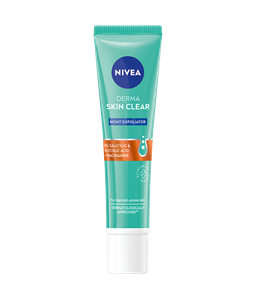
Depending on your skin type and needs, you should exfoliate as part of your evening face care routine after cleansing 2-3 times a week for a deeper cleanse. This will help to remove any accumulation of dead skin cells and promote cell renewal.
Benefits may include: Skin renewal, clears pores, improved skin tone and texture, reduced likelihood of breakouts, improved efficacy of care products.
Can I skip exfoliation?: It is best to be in the habit of exfoliating at least twice a week to deeply cleanse, prevent clogged pores and a build up of dead skin cells. Those with sensitive skin may exfoliate less often, whereas those with oily skin may exfoliate more often.
Tips: Choose an exfoliant based on your skin needs - whether that be a mechanical scrub or a chemical (AHA or BHA) exfoliant, exfoliate after cleansing, apply gently and avoid excessive rubbing - let the ingredients do the work, rinse off thoroughly.
NIVEA curated skincare routines
FOR SPECIFIC CONCERNS
NIVEA Q10 Power Anti-Wrinkle skincare routine


Skincare routines are essential for both men and women in achieving healthier looking and radiant skin. While there are some commonalities in skincare routine steps, such as cleansing, moisturising and sun protection, there can also be individual differences based on skin type, concerns and personal preferences.
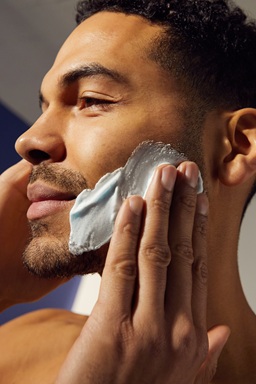
Men's skincare routines might take into account factors like shaving and facial hair care, while women's routines may include additional steps like makeup removal. Regardless of gender, it is important to understand your skin needs and choose products that address those factors.
Regularity is vital, as consistent skincare practices lead to long-term benefits. Ultimately, regardless of your gender, a well-crafted skincare routine is an investment in both self-care and skin health.

A note about skincare routines
FOR DIFFERENT SKIN TYPE
Where appropriate, skincare routine steps can be tailored to different skin types. This personalised approach ensures that the products and treatments chosen align with each individual's unique needs, resulting in the best possible outcomes for their skin health and appearance. Products used in the NIVEA curated routines are suitable for all skin types.
Regardless of your skin type, sunscreen is a universal must to shield the skin from UV damage. Consulting a dermatologist can provide personalised guidance for optimal results.
Build your
OWN ROUTINE
Skincare routines are essential for achieving healthier and radiant looking skin regardless of your gender. It's important to tailor your skincare to your unique skin type, concerns and preferences.
Whether you have dry, oily, sensitive, combination or acne-prone skin, understanding the specific needs of your skin allows you to select the right products and steps for optimal results.
Be consistent and patient with experimentation when waiting for results. If you are experiencing problems with your skin, don't hesitate to consult a dermatologist or your GP for more guidance.